How to Choose a Web Designer in London (Without Getting Burned)


London has roughly one web designer for every three pigeons in Trafalgar Square. Or at least it feels that way when you start looking.
The problem isn't finding someone. It's finding someone who won't disappear after the deposit, deliver something that looks like it was built in 2011, or hand you a site you can't update without a PhD in WordPress.
Here's how to actually find the right person without learning that lesson the hard way.
Start with the work, not the words
Every web designer in London has a website that says "results-driven", "bespoke", and "passionate about design". None of that means anything. What means something is the work they've already done.
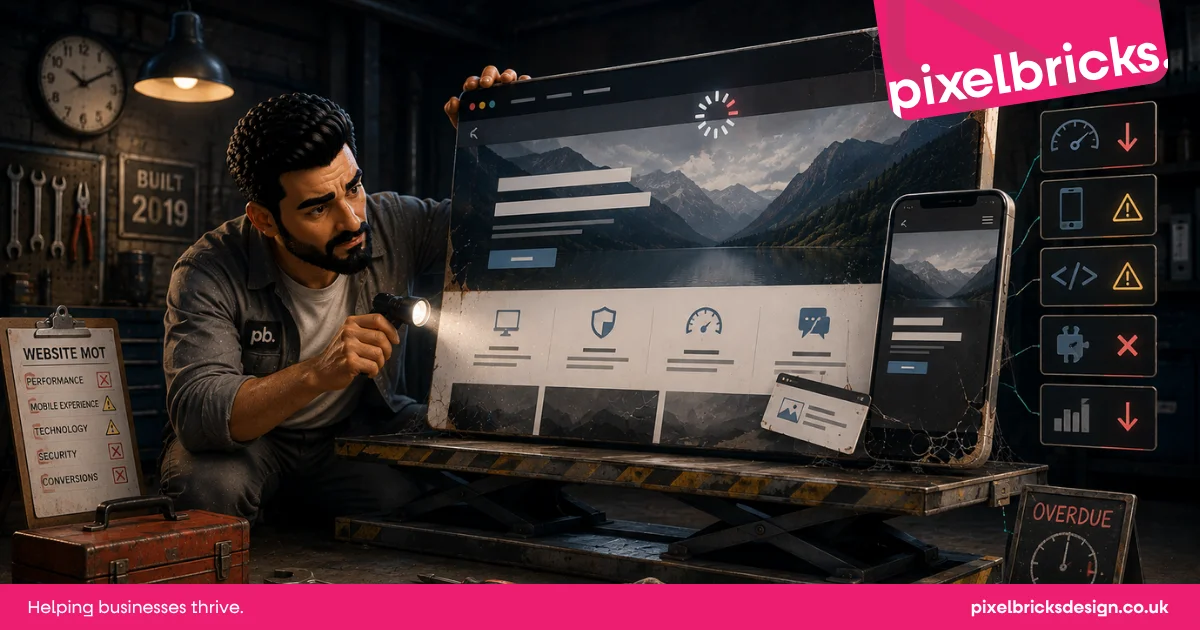
Look at their portfolio properly. Not just the screenshots… click through to the actual live sites. Does the work load fast? Does it look good on your phone? Is it something you'd be proud to have your name on?
If they can't show you real, live examples of work they've done for businesses similar to yours, keep moving.
Ask what happens after launch
This is the question most people forget to ask, and it's the one that matters most. A website isn't a finished product… it's a living thing that needs updates, fixes, and occasional attention.
Who owns the site once it's built? Can you update it yourself, or are you locked into paying them every time you need to change a phone number? What happens if something breaks at 11pm on a Friday?
A good designer will have clear, honest answers. A bad one will mumble something about "ongoing retainers" without explaining what that actually means. If they're building on Webflow, for example, you should be able to manage your own content without touching code… that's a reasonable expectation, not a luxury.
Price is a clue, not a number
The cheapest option isn't a bargain. It's a preview of what's coming.
That's not snobbery… it's just how it works. A site that costs £300 was built fast, probably on a template, by someone who can't afford to charge more yet. That's fine for a hobby project. It's not fine for a business that needs to convert visitors into customers.
Equally, expensive doesn't automatically mean good. Some agencies charge a fortune and outsource the whole thing to a junior in another country. As we've written about before, a website's real value is in how it converts… not how it looks in a pitch deck.
Ask for a detailed breakdown of what's included. If they can't explain where the budget goes, that's your answer.
Check if they understand SEO
A beautiful website that nobody can find is just an expensive business card. Before you sign anything, ask whether SEO is included in the build… not as an add-on, but baked into how the site is structured.
Page speed, clean code, proper heading structure, image compression, meta data… these aren't optional extras. They're the foundation. A new website doesn't automatically rank on Google, but a well-built one at least gives you a fighting chance from day one.
If the designer looks blank when you mention Core Web Vitals, that's worth noting.
Red flags worth walking away from
No contract. No timeline. Vague deliverables. Requests for full payment upfront. A portfolio full of sites you can't actually visit. Promises about being on page one of Google within a month.
Any one of those should give you pause. Several of them together and you should be out the door.
Also worth mentioning: if they're dismissive about your questions or make you feel like you're being difficult for asking them, imagine what the project itself will be like. Communication during the sales process is a direct preview of communication during the work.
What actually makes a good web designer
Someone who asks more questions than they answer at the start. Someone who pushes back when your idea won't work, rather than just nodding and taking your money. Someone who can explain technical decisions in plain English without being condescending about it.
Honestly, the best designers are a bit annoying at the brief stage… they want to understand your business, your customers, and what success actually looks like before they touch a single pixel. That thoroughness is the thing that makes the difference between a site that looks nice and a site that does something useful.
London has plenty of talented people doing genuinely good work. You just have to know what you're looking for before you go looking. To see a list of our top 10 web designer in london check out this lineup.
FAQs About Choosing a Web Designer in London
How much should I expect to pay for a web designer in London?
A decent small business website in London typically runs between £1,500 and £5,000 depending on complexity. Anything significantly below that and you're probably getting a template with minimal customisation. Anything above that should come with a clear breakdown of what justifies the cost.
Should I hire a freelancer or an agency?
Freelancers are often better value for smaller projects and tend to be more invested in the work personally. Agencies make sense for larger, more complex builds where you need a team. Either way, the same questions apply… portfolio, process, aftercare, and price transparency.
What questions should I ask before hiring a web designer?
Ask to see live examples of past work, ask what platform they build on and whether you can update it yourself, ask what's included after launch, and ask for a clear timeline with milestones. If any of those questions get vague answers, keep looking.
How do I know if a web designer is actually good at SEO?
Ask them specifically how they handle page speed, heading structure, and meta data during the build. A designer who understands SEO will answer confidently and specifically. One who doesn't will give you a vague answer about "optimising" things without any detail.